Home › Gravel-to-Asphalt Conversions
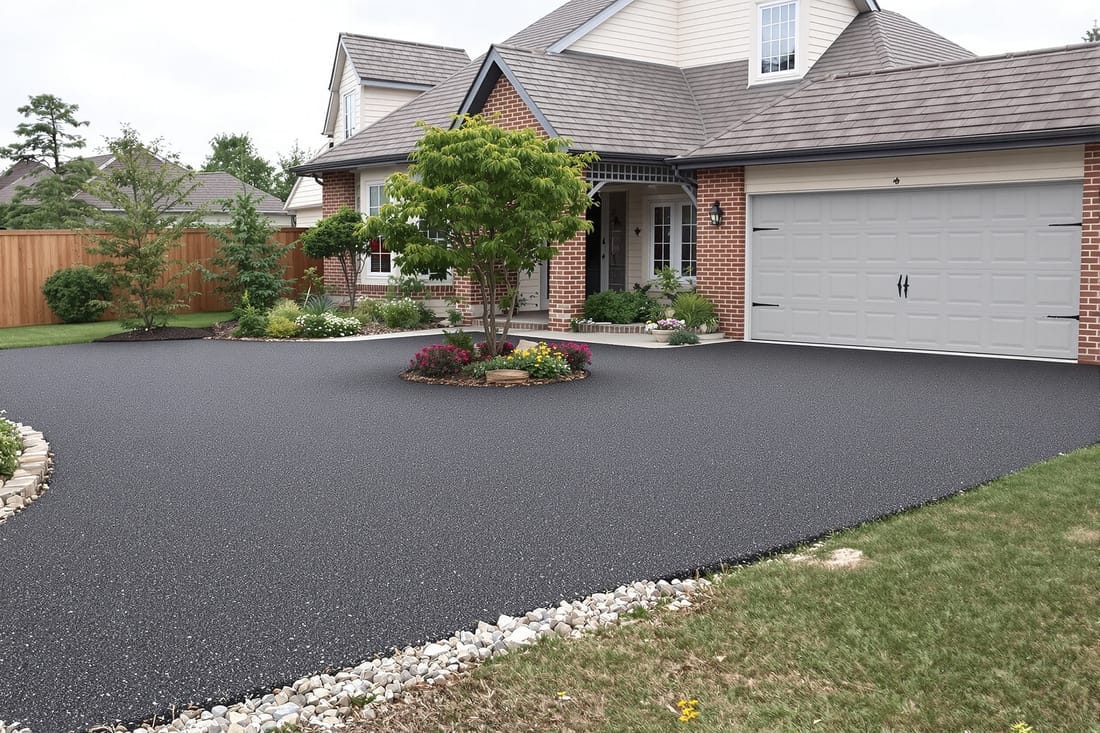
Tired of mud, dust, and ruts from your gravel drive Our gravel to asphalt driveway conversions in Boise, ID create a clean, solid surface that is easy to drive and maintain. We regrade your existing gravel, build a stable base, and install new asphalt so you get a long lasting, low maintenance driveway.
Precision Asphalt Boise provides professional gravel to asphalt driveway throughout Boise, ID, ID and the surrounding area. Our licensed, insured crew delivers safe, clean, on-time work with a free estimate before anything begins. Call or request your free quote.
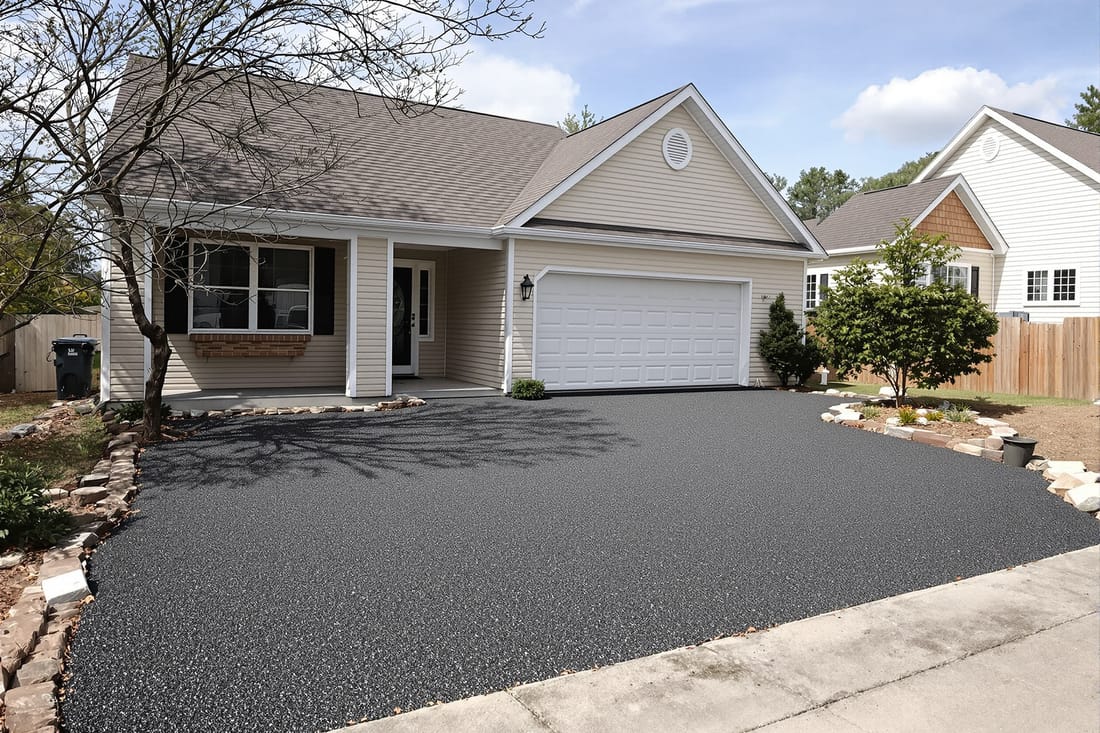
Turn Your Dusty Gravel Driveway Into a Clean Asphalt Surface
If you are tired of dust clouds, ruts, and loose rock every time you pull into your driveway, a gravel to asphalt driveway conversion can be a big upgrade. At Precision Asphalt Boise, we help homeowners in Boise, Meridian, Kuna, Eagle, and the surrounding Treasure Valley turn bumpy gravel into smooth, durable asphalt that holds up to local traffic and weather.
A conversion is not just spreading asphalt over gravel. To last through Boise’s freeze-thaw cycles, spring runoff, and summer heat, the base beneath the driveway has to be evaluated and often rebuilt. When you call Precision Asphalt Boise, we start by walking the entire driveway with you, looking for soft spots, drainage issues, and problem areas like low spots that collect water or places where gravel has been migrating into the lawn or roadway.
We also talk through how you use the driveway: number of vehicles, RV or trailer parking, heavy work trucks, turn-arounds, and any future plans like adding a shop. These details affect how thick the asphalt should be, how wide we recommend going, and whether we need to upgrade the base material in specific sections. This planning step is what separates a quick overlay that fails in a couple of winters from a driveway that still looks solid 10 to 20 years from now.
How a Gravel to Asphalt Driveway Conversion Actually Works
Once we agree on a layout and thickness, Precision Asphalt Boise follows a step-by-step process so the new asphalt has a solid foundation.
1. Base inspection and proof rolling. We bring in a heavy roller or loaded truck and slowly drive the length of your gravel driveway. If the tires or roller sink or leave deep depressions, the base is too weak and needs correction. This proof rolling step shows us where hidden soft spots are, especially after irrigation or rain.
2. Grading and shaping. We use grading equipment to cut high spots and fill low areas, creating a consistent slope that sheds water away from your home and garage. For most Boise-area driveways, we aim for a gentle crown in the center or a slight tilt to one side so water does not sit on the asphalt or run straight into the house or shop.
3. Adding or correcting base rock. Many older gravel driveways were built with whatever rock was available and sometimes it is a mix of dirt and rock that holds moisture. For a proper conversion we often bring in fresh crushed aggregate base (sometimes called road mix) in the 3/4 inch range. We spread this to the needed depth, then compact it in layers using a vibratory roller. Strong, well-compacted base is the best protection against Boise’s winter frost heave.
4. Edge preparation. If the driveway borders lawn, landscape beds, or open soil, we cut a clean edge so the asphalt can be contained. For driveways that need extra strength where vehicles turn tightly, we may recommend a small concrete or compacted gravel shoulder to keep the asphalt from crumbling at the edges.
5. Asphalt paving and compaction. After tacking the base with a bonding agent where needed, we lay hot mix asphalt using a paver machine whenever access allows. Using a paver gives you a smoother, more consistent surface than spreading by hand alone, especially on longer Boise-area driveways. The asphalt is then compacted with a steel drum roller to reach the target thickness, often 2.5 to 3 inches of compacted mat for residential use, thicker if you routinely park heavy equipment.
6. Final checks and clean-up. We check transitions to the street, garage slab, and walkways so there are no trip edges and no spots where water can pool. Then we sweep up loose material and walk you through the driveway so you know how long to stay off it and how to care for it in the first year.
Design Choices, Thickness Options, and What Affects Cost
Every gravel to asphalt driveway is a little different, so Precision Asphalt Boise explains the options that actually matter for long-term performance and price.
Driveway width and layout. Many Boise homeowners take the opportunity during a conversion to widen the drive near the garage or create a better parking pad. A standard two-car drive is often 10 to 12 feet wide per parking lane, but if you have RVs or trailers we may suggest wider sections or gentle curves to make backing easier. Straight runs are generally more cost-effective, while curves and tight areas require more hand work.
Asphalt thickness and mix. For most homes in Boise, 2.5 to 3 inches of compacted asphalt over a solid base is enough for cars and light trucks. If the driveway will see dump trucks, delivery semis, or multiple RVs, we often recommend 3 to 4 inches or possibly a two-lift system (a base layer and a surface layer) for extra strength. We usually use a locally sourced hot mix designed for our climate, which gives a good balance between flexibility in winter and resistance to summer rutting.
Base work. The condition of your existing gravel is the biggest driver of cost. If your current driveway already has several inches of compacted road mix and drains well, we may only need minor shaping. If the gravel is thin, contaminated with mud, or chronically soft in certain spots, we will need to import more base rock, undercut soft areas, or install fabric to separate the base from native soil. Those steps add cost but they prevent premature cracking and potholes.
Access and site conditions. Long, narrow, or steep gravel driveways in the foothills or rural parts of Ada County can require more grading time and sometimes smaller equipment. Tight access near downtown Boise or older neighborhoods may mean more hand paving and extra labor. All of this is factored into a written estimate so there are no surprises.
Finishing details. Optional items like concrete aprons at the garage, added parking pads, or drainage features such as small swales or culverts will also influence the final price. We walk you through which items are optional aesthetics and which ones are strongly recommended because of drainage or structural needs.
Boise Weather, Timing, and Common Problems We Solve
Boise’s climate shapes how and when a gravel to asphalt driveway conversion should be done. Asphalt installs best when both the ground and air temperatures are warm enough for proper compaction. In our area, that usually means main paving season runs from late April through October. Early spring and late fall jobs are still possible but we watch night temperatures closely so the mat does not cool before we can roll it.
Freeze-thaw cycles are one of the main reasons asphalt driveways crack. When water soaks into a weak base and then freezes, it expands and pushes up on the asphalt. We address this by improving drainage and compaction during the conversion and by advising you on how to keep water from standing along the edges. If you have irrigation lines or sprinklers that spray onto the driveway, we will point out adjustments you can make.
Common issues in older gravel driveways around Boise include chronic dust, deep ruts where tires travel, and muddy sections near the road or garage. During your consultation, we look for signs like standing water after a recent storm, moss or vegetation in the ruts, or spots where the gravel has mixed heavily with topsoil. Each of these clues tells us something about the underlying base and what needs to be done before we pave.
If your driveway is on a slope, especially in the foothills, we pay extra attention to traction and water flow. A properly compacted asphalt surface gives much better traction than loose gravel in winter but we still shape the drive so hanging ice is less likely to form. For long sloped drives, we sometimes recommend small water bars or diversion ditches off to the side so runoff does not cut channels along the pavement.
Precision Asphalt Boise also talks through realistic expectations. Fresh asphalt will scuff a bit during the first summer, especially when turning steering wheels while parked. The color will soften from jet black to dark charcoal as it cures. We let you know how long to wait before heavy parking and when to consider the first sealcoat, typically after the first year, to protect your investment from sun and de-icing salts.
What To Expect When You Hire Precision Asphalt Boise
From first visit to final roller pass, Precision Asphalt Boise tries to make your gravel to asphalt driveway project straightforward and predictable.
1. On-site consultation and written proposal. We meet you at the property, measure the driveway, discuss your goals, and note problem areas. You will receive a written proposal that spells out thickness, base work, drainage changes, and any optional features so you can see exactly what is included.
2. Scheduling and preparation. Once you are ready to move forward, we schedule your project in a weather-appropriate window. We coordinate around trash pickup days, deliveries, and any events you have planned so you are not left without access unexpectedly. If vehicles, boats, or trailers need to be moved, we will help you plan where to park during the work.
3. Construction phase. Most residential gravel to asphalt driveway conversions around Boise are completed in one to three working days, depending on length and complexity. We begin with grading and base work, then pave once the base is compacted and approved. Our crew keeps the work area as tidy as possible and we sweep the street when we are done.
4. Aftercare instructions. Before we leave, we explain how long to keep vehicles off the new asphalt, how to avoid scuffing in the first few weeks, and the best way to plow or shovel in winter so you do not damage the edges. We are also available for future maintenance like crack filling and sealcoating, which help extend the life of your driveway.
If you are considering a gravel to asphalt driveway conversion in Boise or the surrounding area, we invite you to reach out. Whether you have a short residential drive in town or a long rural lane, Precision Asphalt Boise will give you straightforward recommendations, clear pricing, and a finished surface that feels like a real upgrade from loose gravel every time you pull in.