Home › Asphalt Pathways, Sidewalks, and Trails
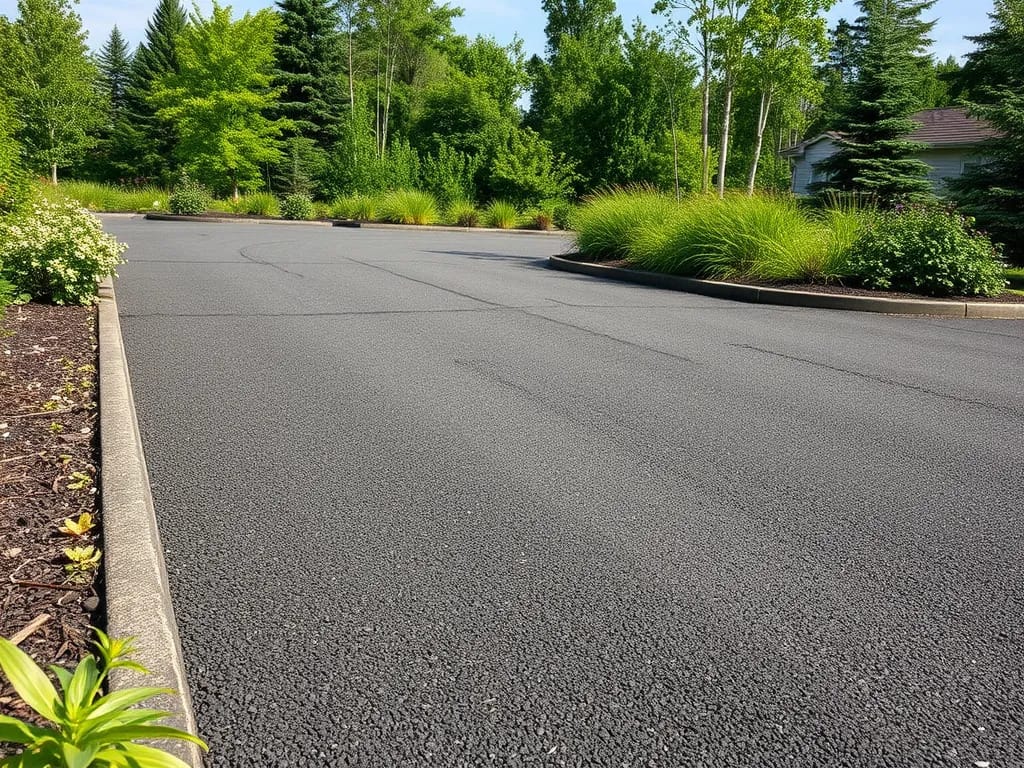
Create smooth, accessible routes with asphalt pathway paving in Boise, ID. We build sidewalks, bike paths, and multi use trails for parks, schools, and commercial campuses. Our team shapes gentle curves and grades to meet accessibility standards while providing a comfortable surface for walking, cycling, and jogging.
Precision Asphalt Boise provides professional asphalt pathway paving throughout Boise, ID, ID and the surrounding area. Our licensed, insured crew delivers safe, clean, on-time work with a free estimate before anything begins. Call or request your free quote.
Asphalt Pathways, Sidewalks, and Trails in Boise
If you walk your dog on the Boise River Greenbelt, cut across a school campus, or follow a path to a backyard shop, you have seen exactly the kind of work Precision Asphalt Boise does every day. We design and build asphalt pathways, sidewalks, and trails that fit how people really move through a property, not just what looks good on a drawing.
In the Boise area, pathways serve all kinds of uses: access routes across new subdivisions in Meridian, walking loops around West Boise offices, HOA paths connecting cul de sacs to parks, and small backyard walkways in older North End homes where space is tight. Each of these needs a different approach to width, base prep, slope, and edging. Our team meets you on site, walks the route with you, and talks through how the path will actually be used, including bike traffic, wheelchairs, strollers, golf carts, or light maintenance vehicles.
When we plan asphalt pathway paving, we look first at safety and drainage. Boise soils can shift between dry, dusty summers and freeze thaw cycles in winter, so we pay close attention to how water will leave the surface. We check low spots, sprinkler overspray, and nearby roof downspouts to avoid puddles and ice patches later. Then we match the asphalt design to your use: a simple walking path around a backyard will not need the same structure as a service path that sees utility carts or delivery vehicles.
Precision Asphalt Boise is a local crew that has paved miles of paths across the Treasure Valley, so we are familiar with city requirements, ADA accessibility guidelines where they apply, and how Boise weather impacts small paved surfaces over time. The goal is a pathway or sidewalk that feels comfortable to walk on, drains correctly, and looks like it belongs on your property, whether your place was built in the 1960s or last year.
How Our Asphalt Pathway Paving Process Works
A well built asphalt path starts long before the first truck shows up. After the initial walkthrough and rough layout, we mark the proposed alignment with paint or flags so you can see exactly where the path will go. For HOA and commercial projects, we often provide a simple sketch with widths, radiuses, and tie in points so boards or property managers can review and approve.
Once the layout is confirmed, our crew begins excavation. For most Boise area pathways we remove 4 to 8 inches of soil, depending on use and soil conditions. In older neighborhoods with irrigation or shallow utilities, we dig carefully and adjust depth as needed. If we hit soft or organic material, like old tree roots or buried topsoil, we remove and replace it so the base does not settle later.
Next we install the aggregate base, usually a 3/4 inch minus crushed rock from local quarries. This is spread in layers, then compacted with plate compactors or rollers until it is dense and stable. For heavier use trails or service paths, we may use a thicker base or a combination of base and sub base material. The base is shaped with a slight crown or cross slope to move water off the finished surface.
Once the base is set, we fine tune the edges and elevation to match existing sidewalks, driveways, or turf. At this stage we can still make small adjustments to curves or widen tight turns. Then the hot mix asphalt arrives from the plant. For most pathways and sidewalks we install 2 to 3 inches of compacted asphalt in a single lift. The mix is spread, leveled, and compacted quickly so it bonds properly and creates a smooth surface.
We finish by compacting edges, cleaning up loose material, and checking transitions so you do not feel a bump moving from concrete to asphalt or from lawn to path. For schools, parks, and commercial properties, we can add striping, stencil markings, or wayfinding arrows after the asphalt cools. Residential paths can often be walked on the same day, while high traffic or heavy use areas are usually given 24 hours before regular use.
Design Options for Sidewalks, Paths, and Trails
Asphalt pathway paving does not have to mean a plain black strip. There are practical design choices that affect how well your path works and how it looks on your property. Precision Asphalt Boise helps you weigh these options so you get a path that matches your budget and your goals.
Width is the first major decision. A basic residential walking path along the side of a home may be 3 to 4 feet wide, just enough for one person and a trash cart or lawn mower. HOA connectors and neighborhood sidewalks typically run 5 to 6 feet wide so two people or a stroller and a walker can pass comfortably. Multi use trails in parks or around business complexes often range from 8 to 10 feet, with gentle curves that accommodate bikes and joggers.
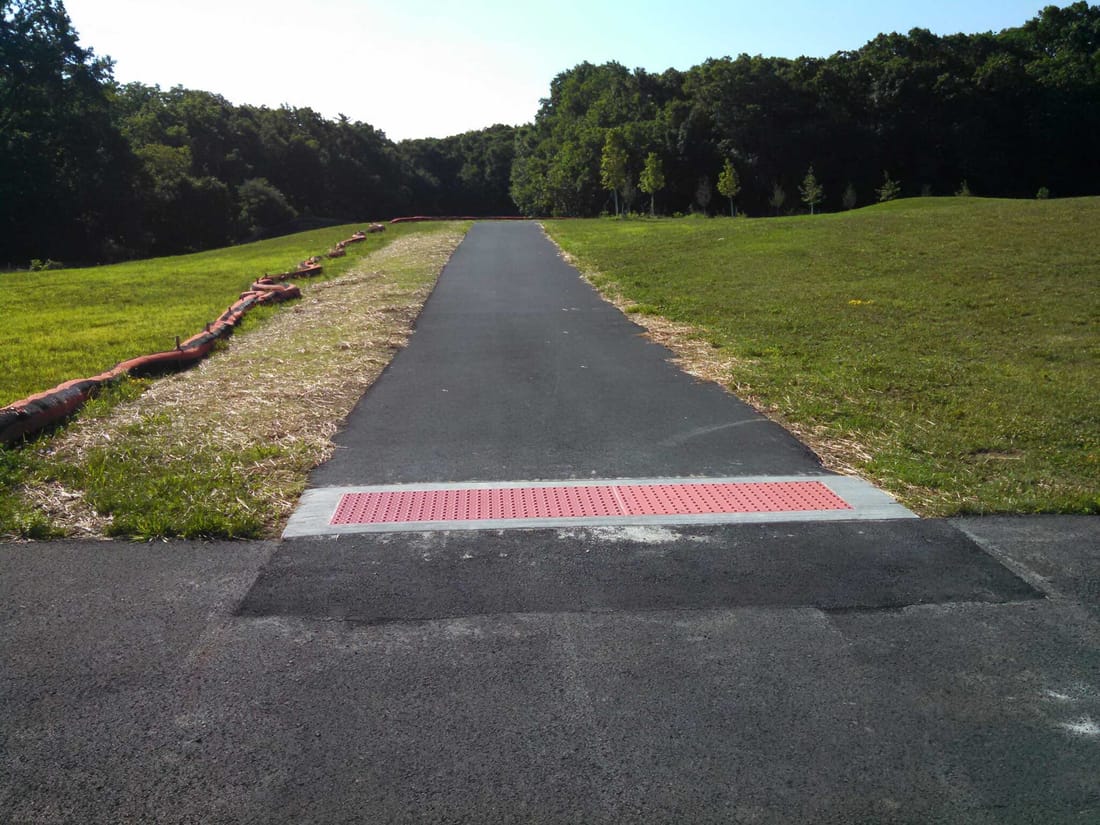
We also look at alignment and transitions. In Boise subdivisions, property lines and existing landscaping often limit where a path can go, so we design gentle curves instead of sharp corners and avoid tight S turns that are hard to navigate. Where asphalt meets concrete, such as tying a new path into an existing city sidewalk, we feather the asphalt and may mill or saw cut a clean joint so drainage and walking comfort are both preserved.
Edging is another important choice. For a pathway next to lawn, we can leave a compacted gravel shoulder that lets grass grow up near the edge, which many homeowners prefer for a softer look. For paths in bark or decorative rock beds, we often recommend a defined asphalt edge or a metal or concrete border to keep materials from spilling onto the path. In high traffic commercial settings, we may install thicker asphalt at edges or add a narrow concrete band to stand up to carts and repeated turning.
Surface finish and slope are tailored to Boise’s climate. We avoid overly steep cross slopes that feel uncomfortable in winter when slippery, and we keep longitudinal slopes manageable for accessibility where possible. While asphalt is naturally dark, which helps melt winter frost, we plan drainage so meltwater actually leaves the surface instead of refreezing at low spots.
What Affects Cost and How We Control It
Pathways, sidewalks, and trails are usually smaller projects than parking lots, but the cost per square foot can still vary a lot. Precision Asphalt Boise is upfront about what drives pricing so you can make informed decisions and avoid surprises.
Access is a major factor. A straight shot for equipment in a new subdivision is cheaper than a tight backyard in the North End where we have to move materials through a narrow side yard. When access is limited we may need smaller equipment or more hand work, which adds labor time. We walk these routes with you during estimating so you see what will be involved.
Base conditions are another big driver. If your soil is firm and already close to the right elevation, we can often excavate lightly and build a standard base. If we find soft spots, buried debris, or old tree stumps, we need extra excavation and rock. In older Boise properties that have seen multiple landscaping changes, we sometimes uncover layers of sod or old concrete that must be removed to prevent future settling.
Path thickness and asphalt mix type also matter. A simple walking path that never sees vehicles can usually be built with a standard 2 inch compacted asphalt layer over a 4 inch base. A maintenance or golf cart route, or a fire lane behind an apartment building, might need 3 inches of asphalt over a thicker base. That additional structure increases cost but dramatically reduces the risk of rutting and cracking.
Curves, connections, and features can also add complexity. Tying into existing concrete, working around trees you want to save, or adding ADA compliant ramps or landings takes more time than pouring a straight run through open ground. During estimating we offer options, such as shortening the path, adjusting alignment, or phasing work over two seasons, so you can choose what fits your budget without sacrificing quality.
We help control cost by planning logistics carefully. That means grouping smaller paths together on a single paving day, scheduling asphalt deliveries to minimize waste, and using the right size crew for the job. For HOAs and commercial clients with multiple locations in Boise, Meridian, and Eagle, we can often reduce unit cost by batching all pathway work into one visit.
Maintenance, Repairs, and What Boise Property Owners Should Watch For
Once your asphalt pathway or sidewalk is in place, a little attention goes a long way toward keeping it safe and attractive. In Boise’s climate, the two biggest threats are water and vegetation. Precision Asphalt Boise walks you through simple maintenance steps so your investment lasts.
During the first year, we recommend keeping heavy vehicles off the new path unless it was designed for them. Light yard equipment is fine, but parking trailers or delivery trucks on a thin walking path can cause early depressions. We also advise using plastic shovels or rubber edged blades when clearing light snow to avoid gouging the surface.
Every spring, walk your path after the thaw and look for areas where water sits more than a day after rain or irrigation. Small puddles are usually cosmetic, but deeper or expanding ones can signal settling in the base. Catching these early allows us to mill or patch localized areas instead of rebuilding long sections later. In shaded areas under trees or along north facing fences, watch for moss or algae, which can make walks slick; a gentle cleaning and improved drainage often solves this.
Vegetation is another concern. In Boise, roots from mature maple, poplar, or willow trees can lift pathway edges over time. When we design routes, we try to keep a safe distance from large trunks and sometimes install root barriers, but on existing paths you may see slow lifting or cracking near roots. We can grind high spots, patch raised sections, or in some cases realign short segments of path to protect both the tree and the surface.
Long term, sealing and patching help preserve your asphalt. While narrow walking paths are not always sealed as often as driveways, a quality sealcoat applied every few years can reduce surface oxidation and minor raveling, especially in high sun areas like South and West Boise. For cracks that appear over time, we can rout and seal them so water does not reach the base and cause frost heave in winter.
If you already have an aging asphalt trail or sidewalk, we can evaluate whether simple repairs, overlay, or full replacement makes the most sense. In some Boise neighborhoods, a thin asphalt overlay over a still solid base can restore smoothness at a lower cost. We will walk the route with you, explain what we see in clear terms, and give you straightforward options so you can choose the right path forward.