Home › Commercial Gravel-to-Asphalt Conversions
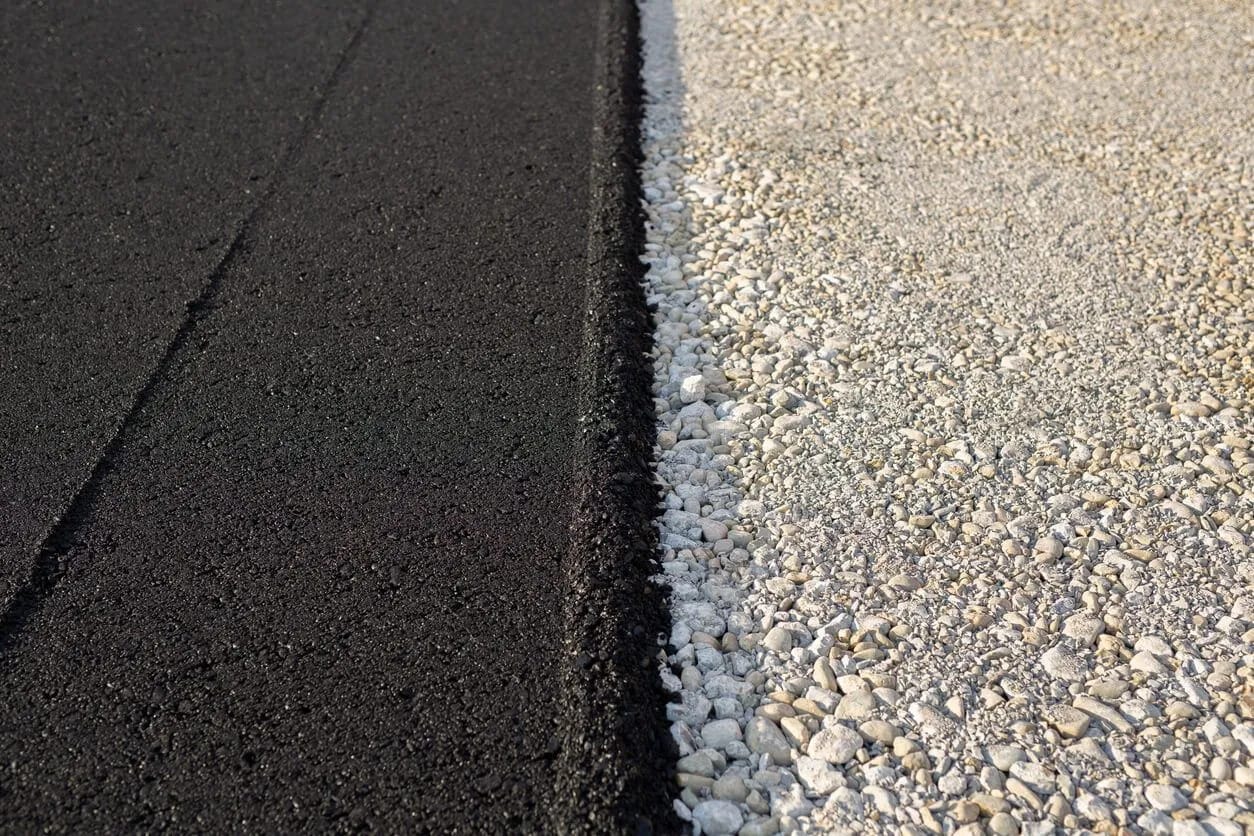
Turn dusty, muddy surfaces into clean pavement with commercial gravel to asphalt conversions in Boise, ID. We upgrade gravel lots and roads with proper base work and new asphalt so your property looks professional and is easier to maintain. Customers, tenants, and trucks will enjoy smoother, cleaner access year round.
Precision Asphalt Boise provides professional commercial gravel to asphalt throughout Boise, ID, ID and the surrounding area. Our licensed, insured crew delivers safe, clean, on-time work with a free estimate before anything begins. Call or request your free quote.
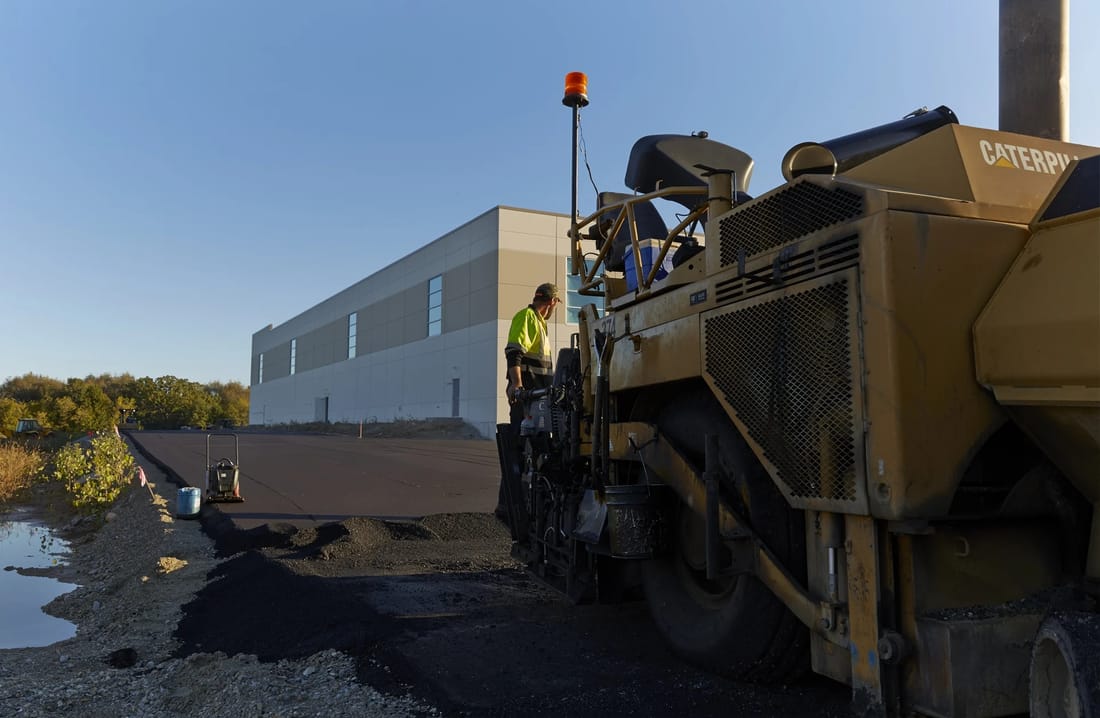
Commercial Gravel-to-Asphalt Conversions for Boise Businesses
Loose gravel is tough on vehicles, hard to keep clean, and never looks fully finished. Precision Asphalt Boise specializes in commercial gravel to asphalt conversions that turn dusty, rutted lots into durable, easy-to-maintain asphalt surfaces that reflect well on your business.
We work with Boise property managers, industrial facilities, office parks, medical complexes, retail centers, and churches that are ready to upgrade from gravel to asphalt. Our team understands the specific challenges of existing gravel lots in the Treasure Valley, including heavily compacted base rock, poor drainage, and mixed fill that has been added over the years.
Every conversion project starts with how your site is actually used. We look at traffic flow, turning movements for delivery trucks, dumpster access, snow plow routes, and pedestrian paths. Then we design an asphalt structure that fits those real-world demands, so your new surface does not just look black and smooth on day one, it holds up under daily commercial use in Boise’s climate.
Site Evaluation and Planning for Boise Gravel Lots
A successful gravel to asphalt conversion starts with understanding what is already in the ground. Precision Asphalt Boise performs a detailed site evaluation before we ever talk about paving thickness or striping layouts.
We begin with test pits or core samples in multiple locations to see how deep the existing gravel base is, what type of material was used, and whether there are soft or organic layers underneath. Many older Boise commercial properties, especially in Garden City, along Fairview, and near the airport, were built on varying fills, so conditions can change across the same lot.
We then look at drainage. Gravel can hide long-standing water problems because water simply disappears into ruts and low spots. Once you pave, those issues can turn into standing water, ice patches in winter, and premature cracking. We shoot grades with a laser level to map high and low points and determine where water will naturally run.
Finally, we confirm practical details such as access points, existing utilities, irrigation lines, and ADA routes to doors. Planning at this stage prevents costly surprises once heavy equipment is on site and helps us give you a realistic schedule and budget for your commercial gravel to asphalt conversion.
Grading, Drainage, and Base Preparation
Most of the real work in a gravel to asphalt conversion happens before the first ton of asphalt is delivered. Precision Asphalt Boise focuses heavily on grading and base preparation because that is what controls lifespan and performance.
We start by stripping loose, contaminated gravel and debris. Oil soaked areas near loading docks or service bays are excavated more deeply so they do not bleed through and weaken the new pavement. If the existing gravel is clean and meets spec, we can often reclaim and regrade it to save on imported base costs.
Next, our crew reshapes the lot to create controlled drainage. In Boise, where freeze-thaw cycles and occasional heavy summer storms are common, we aim for a minimum 1.5 to 2 percent slope on driving lanes and parking areas, with water directed to catch basins, drywells, or landscaped swales. If your current gravel lot already has obvious puddling areas, we correct those by cutting down high spots and building up low ones with compacted base.
We use vibratory rollers to compact the base in thin lifts, typically 3 to 4 inches at a time, until we reach the density needed for commercial traffic. In areas that will see semi-trailers, forklifts, or garbage trucks, we often recommend adding additional crushed rock depth or a stronger base gradation to reduce flexing and rutting under heavy wheel loads.
Asphalt Mix Design and Pavement Thickness Options
Once the base is ready, we design the asphalt section for how your business actually uses the space. Precision Asphalt Boise does not use a one-thickness-fits-all approach to commercial gravel to asphalt projects.
For typical Boise office or retail parking lots with mostly passenger vehicles, we usually recommend 3 to 4 inches of hot-mix asphalt over a properly compacted base. For lots with frequent delivery trucks, drive-thru lanes, or dumpster approaches, we increase thickness in those traffic lanes and high-stress points, sometimes to 5 or 6 inches or by adding a stronger base section.
We work with local asphalt plants to specify mixes suited to Boise’s temperature swings, from hot July days to winter freeze-thaw cycles. This typically means a denser, well-graded mix for the surface course that resists raveling and cracking and can handle de-icing products that many Boise property managers use.
If your site has steep grades, tight turning areas, or is regularly used by large trucks, we may recommend a two-lift system, a slightly coarser base lift for strength and a finer surface lift for appearance and smoothness. We explain these options with clear line-item pricing so you understand what you are getting for each section of the lot.
Markings, Safety, and ADA Compliance
A new asphalt surface is an opportunity to improve traffic flow and safety, not just appearance. Precision Asphalt Boise includes layout planning as part of our commercial gravel to asphalt conversions so your lot works better on day one.
We create scaled layouts that consider entry and exit points, fire lanes, loading zones, and pedestrian routes. Many existing gravel lots in Boise evolved informally, with drivers creating their own paths and parking patterns. When we pave, we can tighten the layout, increase the number of usable spaces, and reduce conflict points.
We are familiar with ADA parking and access requirements, including stall counts, dimensions, slope limits, and accessible route locations. During grading, we pay close attention to slopes in front of building entrances and accessible stalls so you do not end up with non-compliant areas that are difficult to fix later.
After paving, we stripe stalls, directional arrows, crosswalks, and any specialty markings you need, such as numbered spaces or reserved parking. For high-use commercial sites, we often recommend adding wheel stops or concrete curbing in targeted areas to protect landscaping and building facades from vehicles.
Cost Factors and Project Scheduling in Boise
Commercial gravel to asphalt conversions vary widely in cost, and we make sure you understand what is driving your specific number. Precision Asphalt Boise provides detailed proposals that break down base work, asphalt tonnage, striping, and any drainage or concrete work so you can make informed decisions.
Key cost factors include the condition and depth of your existing gravel, whether additional base rock is needed, site access for trucks and equipment, drainage corrections, and the total asphalt thickness required for your traffic loads. Lots with minimal existing base or soft subgrade soils near the Boise River corridor typically require more excavation and imported material than long-established, well-compacted industrial yards.
Scheduling is also tailored to your operations. For 24-hour facilities, medical offices, and retail centers, we can phase work so sections of the lot remain usable, or we can schedule heavier work during lower traffic periods, such as evenings or weekends. We coordinate with your tenants or operations staff so deliveries and customer access are maintained as much as reasonably possible.
We also help you plan for permitting, if required, and coordinate with local agencies when drainage tie-ins or changes to entrances off public roads are part of the project.
What Boise Property Owners Should Know Before Converting Gravel to Asphalt
Before you decide on a commercial gravel to asphalt conversion, there are several practical points every Boise property owner or manager should consider. Precision Asphalt Boise walks you through these early so your project goes smoothly and your expectations match the finished result.
First, understand that the most important money you spend is below the surface. Cutting corners on base preparation can shorten pavement life dramatically, especially in an area like Boise that sees both summer heat and winter freezing. If one proposal is significantly cheaper, ask what assumptions they are making about base depth, drainage corrections, and compaction testing.
Second, be realistic about your site’s water management. If your gravel lot currently handles water by simply letting it disappear into the rock, paving will change that. You may need additional drainage features, such as catch basins, trench drains, or improved swales. Addressing those at the same time as paving is usually more cost-effective than trying to fix ponding later.
Third, plan for operations during construction. Even with efficient crews, a conversion project can disrupt normal traffic patterns for several days. We recommend notifying tenants and customers in advance, adjusting delivery schedules where possible, and designating temporary parking areas.
Finally, talk about long-term maintenance. A well-built commercial asphalt lot will last many years with periodic crack sealing and sealcoating. We provide a maintenance schedule tailored to your site conditions and traffic so you can budget appropriately and protect your investment in the new pavement.